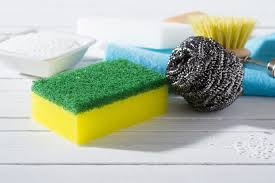
In our daily lives, the small choices we make—what we buy, how we clean, what we throw away—can have a surprisingly large impact on the environment. One of the simplest yet most overlooked swaps for a more eco-conscious home is replacing synthetic kitchen and bathroom sponges with biodegradable sponges.
If you’re tired of using plastic-based sponges that smell after a few uses and end up in the landfill, it’s time to consider this sustainable alternative. Let’s explore why biodegradable sponges are better for your home, your health, and the planet.
What Is a Biodegradable Sponge?
A biodegradable sponge is a cleaning tool made from natural, plant-based materials such as cellulose (wood pulp), cotton, coconut fiber, or loofah. Unlike conventional sponges made from polyurethane or other petroleum-based plastics, biodegradable sponges can naturally break down over time without releasing microplastics into the environment.
When composted properly, these sponges return to the earth within a few months—no landfill waste, no pollution, no guilt.
What Makes Conventional Sponges Problematic?
The standard kitchen sponge may be convenient, but it comes with hidden costs:
- Made from plastic: Most are derived from petroleum-based materials that don’t decompose.
- Release microplastics: Every time you use them, tiny plastic particles can wash down the drain and enter our oceans.
- Short lifespan: They often need to be replaced every couple of weeks due to bacteria build-up and wear.
- End up in landfills: Millions of plastic sponges are thrown away each year, contributing to long-term environmental damage.
In contrast, biodegradable sponges are designed to reduce your ecological footprint without sacrificing effectiveness.
Types of Biodegradable Sponges
Biodegradable sponges come in a few popular natural varieties:
1. Cellulose Sponges
Made from wood pulp, these are soft, absorbent, and feel much like traditional sponges. They are excellent for general kitchen cleaning and absorb large amounts of water and soap.
2. Loofah Sponges
Loofahs are made from the dried interior of the loofah plant (a member of the cucumber family). They’re coarse and perfect for scrubbing dishes, sinks, or even exfoliating your skin.
3. Coconut Fiber Scrubbers
Made from the tough fibers of coconut husks, these are excellent for heavy-duty cleaning tasks like scrubbing pots and pans. They’re biodegradable and often come with zero plastic packaging.
4. Compostable Sponge Cloths
Also known as Swedish dishcloths, these are made from a blend of cellulose and cotton. They’re super absorbent, reusable, and suitable for wiping down counters, spills, and even glass surfaces.
Key Benefits of Using Biodegradable Sponges
✅ Eco-Friendly
Natural materials mean zero microplastics and no long-term waste. Most biodegradable sponges can be home composted, turning back into soil in just a few weeks or months.
✅ Safe for You and Your Family
With no harsh dyes, chemicals, or synthetic fibers, biodegradable sponges are gentler on skin and safer for use around food and children.
✅ Effective Cleaning Power
Don’t let the “eco” label fool you—these sponges clean just as well (if not better) than conventional ones. Some even offer dual sides: a soft cellulose side and a rougher scrubbing layer.
✅ Cost-Effective Over Time
Many biodegradable sponges are durable and reusable, lasting weeks to months with proper care. Since they’re washable and compostable, you also save money by buying less frequently.
How to Use and Care for Biodegradable Sponges
To get the most out of your sponge:
- Rinse thoroughly after each use to remove food debris.
- Let it dry completely between uses to prevent bacterial growth.
- Disinfect weekly by boiling in hot water, microwaving when damp for 1 minute, or placing in the top rack of the dishwasher.
- Compost it when it starts to break down or smell, rather than throwing it in the trash.
Depending on the type and frequency of use, biodegradable sponges can last 1 to 3 months or more.
How to Dispose of a Biodegradable Sponge
When your sponge has reached the end of its useful life, here’s what to do:
- Cut it into small pieces to speed up decomposition.
- Place the pieces in your home compost bin or green waste bin.
- If it’s 100% natural (no plastic content), it will break down within 4–12 weeks.
Be sure to check the packaging or product label—some “eco” sponges still contain synthetic fibers, so it’s best to buy from trusted, transparent brands.
Where to Buy Biodegradable Sponges
More brands are now offering biodegradable options as demand for sustainable products rises. You can find them in:
- Eco-friendly online stores
- Local refill and zero-waste shops
- Larger retailers like Whole Foods or Trader Joe’s
- Online marketplaces like Amazon and Etsy
Look for certifications like home compostable, plastic-free, or biodegradable, and avoid items labeled “green” without specifying materials.
Final Thoughts
Swapping to biodegradable sponges might feel like a small change—but it’s part of a bigger movement toward conscious living. Every time you skip a plastic-laden product and choose something natural, you’re helping to reduce waste, protect waterways, and create a healthier home.
Cleaning up shouldn’t mean dirtying the planet. With biodegradable sponges, you can clean responsibly, live sustainably, and feel good about every swipe.