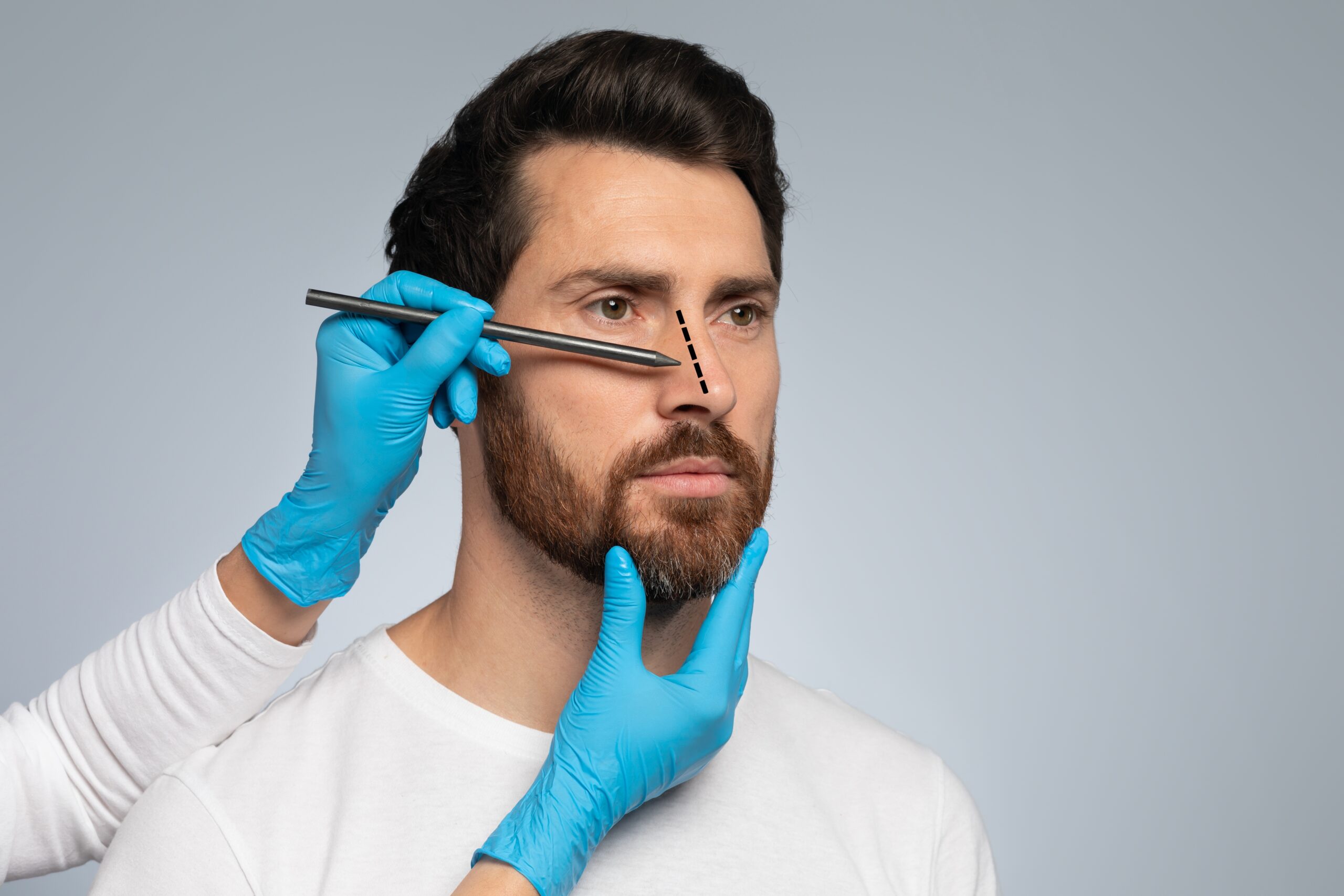
Surgeons in New Orleans, such as a plastic surgeon at Sadeghi Center for Plastic Surgery in NOLA, often perform revisions to address cosmetic or functional issues from prior surgeries. These procedures are typically evaluated on a case-by-case basis, with patient safety and expectations as top priorities. Checking ratings and reviews of New Orleans surgeons who offer revisions can provide valuable insight into their expertise and patient satisfaction.
Understanding Revision Surgery
Revision surgery is a repeat surgery done to fix or rectify the outcome of a previous surgery. The expert surgery is crucial in addressing issues like failure, disappointment, or complications after the first surgery.
These operations involve experienced surgeons who are familiar with delivering improved cosmetic or functional results. Revision operations can be as easy as re-engineering or as complicated as restoring function and form.
The Goal
The ultimate goal of revision surgery is to produce improved aesthetic or functional results. For instance, in revision rhinoplasty, it could include correcting nasal asymmetry or enhancing nasal breathing.
Patient satisfaction is critical because management of disappointment from a previous procedure maintains trust. Experienced surgeons accommodate each patient’s issues, whether residual imperfections or functional issues.
The Difference
Revision surgery is usually more complex than initial surgery. Scar tissue or irregular anatomy complicates the surgery and requires surgeons to utilize advanced techniques.
For instance, revision rhinoplasty may involve cartilage grafting to rebuild the nasal structure. These operations require careful planning and subtlety in the operation to be undergone.
The complexity means longer operating times and greater expense, which points to the meticulous work involved.
The Timing
Timing matters. Individuals are normally advised to wait 6 to 12 months after their initial surgery—such as rhinoplasty—before they seek revision. Time allows swelling to dissipate, and it causes stabilization. Rushing could jeopardize success; hence, expert advice matters.
Determining Candidacy
Revision surgery, like revision rhinoplasty, can correct disappointment or problems with the initial surgery, but it’s not for all. Certain criteria determine eligibility for this cosmetic procedure, and their experienced plastic surgeons will go over the case in detail to ensure safe, effective results.
Functional Concerns
Breathing problems, postoperative pain, or structural issues may necessitate revision surgery. Nasal stuffiness after rhinoplasty or implant displacement following breast augmentation are good examples and can significantly affect the quality of life.
Aesthetic Dissatisfaction
Revisions may be requested by patients to address asymmetry, disproportions, or irregular contours. Whereas revisions can make a big difference, absolute symmetry is always unrealistic. Open expectations are called for.
Psychological Readiness
Emotional stability and sound motivations are necessary. Patients have to be in a good mental and realistic mindset to have a positive outcome and recovery process.
Physical Health
Optimal overall health is essential for safe surgery. Physicians sometimes demand that patients work on underlying health issues and quit using nicotine before and following surgery to facilitate proper healing.
Realistic Expectations
Revision operations are not promises of perfection. Trained surgeons employ equipment such as 3D imaging to guide patients in understanding what may result, which enhances comprehension and satisfaction. Open discussion regarding risks, constraints, and probable results assists in setting realistic expectations.
The Consultation Process
When New Orleans patients consider revision surgery, the consultation process is a required first step. It allows both the surgeon and the patient to arrive at a middle ground in matters of goals, expectations, and surgical techniques. An effective consultation also clears any remaining fear that has been left behind by previous surgeries and sets the stage for realistic, achievable results.
A typical consultation process involves:
- Scheduling an initial consultation with a board-certified surgeon.
- Reviewing previous surgical results and talking about immediate concerns.
- Having physical tests or imaging tests.
- Discussing in detail goals, risks, recovery methods, and aftercare plans.
The First Step
The first consultation lays the groundwork for procedures such as revision rhinoplasty. Scheduling the appointment with a qualified facial plastic surgeon is important since revision surgery takes a lot of expertise. The patient may be requested to bring along questions regarding their issues, previous experiences, and what they aim to achieve in order to foster proper communication.
This initial interaction helps build trust and permits the surgeon to realize the reasons motivating the patient so that they are aligned with possible outcomes. For instance, a patient who requires revision rhinoplasty might wish to treat not only cosmetic but also breathing-related problems, leading to the creation of a general treatment plan.
The Assessment
Under this phase, the surgeons carry out a detailed examination of previous operations, identifying structural and aesthetic problems. In procedures like rhinoplasty, this can include reviewing proportions of the face, skin type, and nasal harmony through tests or radiographies.
This is the period to ascertain whether revision surgery can be done properly and safely. It is generally advisable for surgeons to wait 12 to 18 months from the first surgery so that there is complete healing. Risks, benefits, and likely solutions are all debated openly so that the patient’s expectations are managed, particularly in those who are impatient to go quickly.
The Surgical Plan
Revision surgery planning involves the development of specific solutions to manage both aesthetic and functional concerns. Complex procedures are employed, particularly for complicated ones such as face reconstruction or revision rhinoplasty.
Surgeons make it a point to compromise between necessary repairs and retaining a natural look. They also give patients a clear rundown of post-operative care and recovery periods, which can mean taking two weeks’ leave of absence from work.
The Surgeon’s Perspective
Surgeons play an important role when patients are dissatisfied with earlier rhinoplasty or other operations. Revision operations entail weighing many factors, varying from patient safety to ethics, as revision operations tend to pose unique challenges and require advanced surgical expertise.
Why Surgeons Revise
Revisions are usually done by surgeons to fix issues, expectations, or function of the original procedure. Input from patients is critically necessary in accomplishing the same. An example is a patient who complains of dyspnea after rhinoplasty or aesthetic issues.
In such cases, surgeons try to reestablish form and function, with improved outcomes. Revision rhinoplasty is most commonly necessitated by tailored procedures. Surgeons may use the open rhinoplasty technique, where there is additional exposure of the nasal structure, or use donor rib cartilage for structural support.
To achieve the best results, oftentimes under either local or general anesthesia, depending on complexity.
Why Surgeons Decline
Not all patients are candidates for revision surgery. Surgeons will decline cases where the expectation is unrealistic or where medical conditions make it too unsafe. For example, patients who want perfect results or who have poor healing capacity might not be helped by further surgery.
Natural aging changes may complicate the situation as well. Surgeons have to evaluate carefully whether revisions will benefit the patient or will bring about new complications. In most situations, placing patient safety first and avoiding unnecessary procedures is ethical medical practice.
The Ethical Duty
Ethics are of utmost concern in revision surgery. Surgeons are required to balance professional judgment with the hopes of patients, sharing openly about risks, outcomes, and limitations.
Avoiding unnecessary or risky procedures demonstrates a surgeon’s concern for the patient’s future health, only carrying out revisions when they turn out to be helpful.
Exploring Revision Options with New Orleans Surgeons
Discontented patients who are not satisfied with the outcomes of earlier surgery can benefit from plastic surgery in New Orleans as a chance to obtain better outcomes. Success depends upon open communication, realistic expectations, and personalized treatment.
Selecting the most appropriate surgeon is a priority. Patients are encouraged to do their homework and find specialists who have revision experience and find honest surgeons who inform them that what they are suggesting is the best. Although this may sound scary, patients should employ trusted professionals in order to navigate it with confidence and get results closer to what they desire.
Sadeghi Center for Plastic Surgery
2551 Metairie Rd Suite 100, Metairie, LA 70001
+15046883776