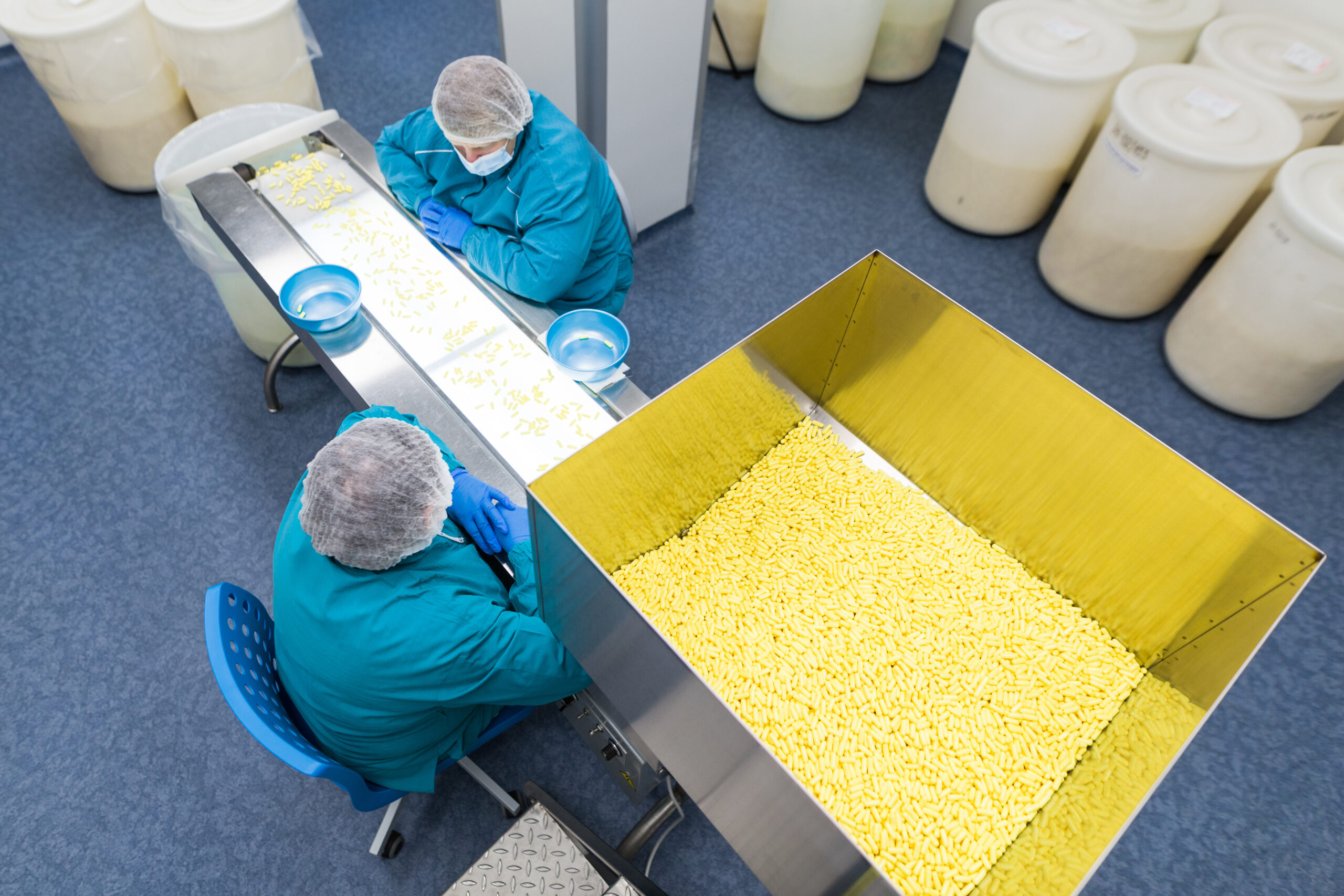
In the modern agricultural and industrial sectors, the demand for high-quality fertilizers and granulated materials has grown tremendously. Two essential pieces of equipment that cater to these needs are the bentonite granules making machine and the npk compound fertilizer granulation production line. Both of these machines play a vital role in ensuring efficient production, uniform granule quality, and increased profitability for businesses in fertilizer manufacturing and related industries. This guide explores these machines in detail, highlighting their working principles, benefits, applications, and considerations for purchasing.
1. Understanding Bentonite and Its Uses
Bentonite is a natural clay composed mainly of montmorillonite, known for its exceptional absorbent and binding properties. It is widely used in various industries, including agriculture, cat litter production, foundry, and construction. In agriculture, bentonite improves soil structure, retains moisture, and enhances nutrient absorption for crops.
While bentonite is often available as fine powder, granulated bentonite offers several advantages over powdered forms:
- Reduced dust and improved handling
- Uniform application in fields
- Enhanced absorption and performance in soil
The bentonite granules making machine is specifically designed to convert bentonite powder into high-quality granules suitable for industrial and agricultural applications.
2. Bentonite Granules Making Machine: Features and Working Principle
The bentonite granules making machine employs advanced granulation technology to produce uniform granules with minimal dust and breakage. Depending on the production requirements, manufacturers can choose from dry or wet granulation methods.
Key Features
- High Efficiency – Modern machines can process large volumes of bentonite powder with consistent quality.
- Energy Saving – Optimized design reduces energy consumption during granulation.
- Customizable Granule Size – Adjustable settings allow operators to produce granules of varying diameters.
- Durability – Constructed with wear-resistant materials to withstand abrasive bentonite powder.
- Ease of Maintenance – Simple design allows for easy cleaning and maintenance.
Working Principle
The bentonite granules making machine typically operates using one of the following methods:
- Dry Granulation (Roller Compaction): Bentonite powder is compacted under high pressure between two rollers. The compacted sheets are then broken into granules of the desired size. This method is suitable for moisture-sensitive applications.
- Wet Granulation (Disc or Drum Granulation): In this process, a binder or water is added to the bentonite powder, which is then agitated in a rotating disc or drum. This helps form uniform granules with enhanced binding strength.
Both methods ensure high-quality granules suitable for agricultural or industrial use.
3. Applications of Bentonite Granules
The versatility of bentonite granules makes them valuable across various sectors:
- Agriculture: Used as soil conditioners to improve water retention and nutrient absorption.
- Animal Feed: Acts as a binding agent in feed pellets.
- Cat Litter Production: Granulated bentonite absorbs moisture efficiently and controls odors.
- Foundry Industry: Used in molding sands for metal casting.
- Construction: Serves as a waterproofing agent in foundations and ponds.
The bentonite granules making machine ensures that granules meet the specific requirements of these applications in terms of size, uniformity, and durability.
4. NPK Fertilizers: Importance and Benefits
NPK fertilizers are compound fertilizers containing three essential nutrients: Nitrogen (N), Phosphorus (P), and Potassium (K). These nutrients are crucial for crop growth:
- Nitrogen (N): Promotes leaf growth and overall plant development.
- Phosphorus (P): Supports root growth and flower development.
- Potassium (K): Enhances disease resistance, water retention, and fruit quality.
By using a npk compound fertilizer granulation production line, manufacturers can produce high-quality NPK granules with a precise nutrient ratio, ensuring optimal crop yield and soil health.
5. NPK Compound Fertilizer Granulation Production Line: Components and Process
The npk compound fertilizer granulation production line integrates multiple machines and processes to convert raw materials into uniform NPK granules efficiently. Here’s a breakdown of the production stages:
5.1 Raw Material Preparation
- Selection of raw materials (urea, ammonium phosphate, potassium chloride, etc.) based on the desired NPK ratio.
- Crushing and grinding to ensure uniform particle size.
- Accurate weighing and batching for precise formulation.
5.2 Mixing
- Homogeneous blending of materials is essential to ensure consistent nutrient distribution in each granule.
- Rotary drum mixers or paddle mixers are commonly used.
5.3 Granulation
- Rotary Drum Granulator: Ideal for large-scale production; uses rotation to form granules through agglomeration.
- Disc Granulator: Suitable for small or medium-scale operations; provides uniform granule size.
- Extrusion Granulator: Produces high-density granules without the need for drying.
5.4 Drying and Cooling
- Reduces moisture content to prevent caking and spoilage.
- Cooling ensures granules are stable and ready for packaging.
5.5 Screening
- Separates granules by size, ensuring only uniform particles move forward.
- Oversized granules are crushed and returned to the granulator.
5.6 Coating (Optional)
- Enhances granule durability and prevents nutrient loss.
- Reduces dust during handling and transportation.
5.7 Packaging
- Final step involves automatic packing into bags or bulk containers for distribution.
6. Advantages of NPK Compound Fertilizer Granulation Production Line
- Consistent Granule Quality: Ensures uniform nutrient distribution.
- High Efficiency: Capable of processing tons of fertilizer per hour.
- Reduced Dust and Waste: Environmentally friendly operation.
- Customizable NPK Ratios: Flexible production for different crop requirements.
- Long Shelf Life: Properly granulated and coated NPK fertilizers have enhanced storage stability.
7. Choosing the Right Machine: Key Considerations
Whether investing in a bentonite granules making machine or a npk compound fertilizer granulation production line, there are important factors to consider:
7.1 Production Capacity
- Determine the required daily or yearly output.
- Machines come in various capacities from small-scale to industrial-scale production.
7.2 Granule Size and Uniformity
- Adjustable machines allow customization of granule size for specific applications.
- Uniform granules ensure better application in agriculture and other sectors.
7.3 Energy Efficiency
- Look for machines with optimized energy consumption to reduce operational costs.
7.4 Material Durability
- Machines made from wear-resistant materials last longer and handle abrasive powders better.
7.5 Maintenance and Support
- Easy-to-maintain machines reduce downtime.
- Ensure supplier provides technical support and spare parts availability.
8. Benefits of Investing in Both Production Lines
Integrating a bentonite granules making machine and a npk compound fertilizer granulation production line into your manufacturing setup offers multiple advantages:
- Diversified Product Range: Produce both granulated bentonite and NPK fertilizers for different markets.
- Improved Operational Efficiency: Streamlined production lines reduce labor and energy costs.
- Enhanced Market Competitiveness: Offering high-quality granules ensures customer satisfaction and repeat business.
- Scalability: Both machines can be scaled up as demand grows.
9. Market Applications
9.1 Agriculture
- Granulated fertilizers and soil conditioners improve crop yield and soil health.
9.2 Industrial Uses
- Bentonite granules find applications in foundries, drilling, and construction.
9.3 Export Opportunities
- Granulated NPK fertilizers and bentonite products have high demand in international markets due to their standardized quality and ease of transport.
10. Maintenance Tips for Long-Term Performance
Proper maintenance is essential for both the bentonite granules making machine and the npk compound fertilizer granulation production line:
- Regular Cleaning: Remove residual powder to prevent blockages and contamination.
- Lubrication: Keep moving parts well-lubricated to avoid wear.
- Inspect Key Components: Check rollers, discs, and belts regularly.
- Replace Worn Parts: Timely replacement ensures consistent output quality.
- Monitor Production: Track granule size, moisture content, and machine efficiency.
11. Future Trends in Fertilizer Granulation
The fertilizer industry is evolving with technology advancements:
- Automation: Smart controls and automated monitoring reduce labor and increase accuracy.
- Eco-Friendly Fertilizers: Focus on organic and environmentally safe granules.
- Energy-Efficient Machines: Manufacturers are investing in machines that consume less power.
- Integrated Production Lines: Combining multiple processes in one setup to optimize production and reduce space.
Investing in a bentonite granules making machine and a npk compound fertilizer granulation production line aligns with these trends, ensuring long-term business sustainability.
12. Conclusion
The bentonite granules making machine and the npk compound fertilizer granulation production line are indispensable tools for modern fertilizer and granulated material production. By understanding their functions, advantages, and applications, businesses can make informed investment decisions. These machines not only enhance production efficiency but also ensure high-quality products that meet industry standards and customer expectations.
Whether you are a startup in fertilizer manufacturing or an established company looking to upgrade your production capabilities, these machines are a strategic investment that can drive profitability, expand your product range, and strengthen your position in the competitive agricultural and industrial markets.


