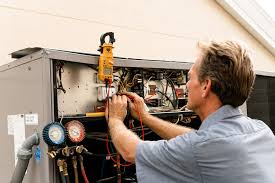
Recognizing the signs of electrical problems in HVAC systems is essential. Issues like faulty wiring, loose connections, or damaged components can disrupt performance and pose safety risks. Consulting a top-rated HVAC contractor – Beltway Air Conditioning & Heating – can help diagnose and resolve these problems early. Ignoring these warning signs may result in higher energy bills or a full system failure, so early detection is key to maintaining efficiency and avoiding costly repairs.
Recognizing Early Warning Signs
Common early warning signs like strange noises, flashing lights, smoky smells, and frequent breaker trips consistently indicate electrical malfunctions in HVAC units. Such warnings may indicate wire problems, overloaded circuits, or faulty components. Forcing them to cease immediately prevents serious damage, costly repairs, and hazards.
Unusual Noises
Strange noises are generally a sign of something wrong within the HVAC system. Clattering is a sign of loose components or garbage inside the unit, which would lead to more damage. Squealing and buzzing sounds are typically the result of capacitor or faulty wiring problems, while grinding sounds are a sign of motor burning or relay failure. These sounds ignored can result in costly repairs or complete system failure.
Flickering Lights
Flickering lights, especially in the operation of the HVAC system, are a guarantee of electrical problems that can destroy components of the HVAC system. Persistent flicker can be caused by wiring issues or an overloaded circuit, while minimal fluctuation of the light around the HVAC unit can be caused by electrical problems. Consistent flickering, particularly at times of peak demand, indicates a severe power imbalance that must be addressed right away, perhaps due to drawing too much power from multiple appliances into one circuit.
Burning Smells
Burning odors must not be ignored as indications of electrical faults that will ruin HVAC equipment parts. Plastic or rubber melted smells usually imply overheating, while pungent odors could imply electrical danger with damage to wiring insulation. It is important to check the HVAC system all at once when such strong odors occur, especially if there are perceptible burn scorch marks or mechanical problems, because seasonal change and extreme system demand have a multiplicative effect on these risks.
Frequent Breaker Trips
Recurring breaker tripping suggests short circuits or overloaded conditions that can be precursors to electrical issues causing damage to HVAC equipment components. If this happens during peak load periods, it will imply that the HVAC is drawing too much current. Recurring tripping causes wear on the breaker panel, leading to a higher risk for further damage and expensive repairs.
Power Supply Irregularities
Power supply instability can destroy the functionality and reliability of an HVAC system. Voltage fluctuation, unstable power, and electrical faults can cause HVAC system components to go down, devastate the systems, and run inefficiently. Identifying these electrical faults sooner rather than later is crucial in order not to spend a fortune on repairs and preserve system life.
Voltage Fluctuations
Voltage Fluctuations may burn out sensitive components such as motors and capacitors. Consistent spikes or dips due to lightning or grid instability require surge protection and expert evaluation.
System Shutdowns
System shutdowns are commonly caused by faulty relays, bad contactors, or compromised wiring. These cause random shutdowns and can destroy compressors in violent startups. At least a 30-minute wait before rebooting, according to experts, will prevent further damage.
Uneven Performance
Uneven Performance, such as inconsistent heating or cooling, may stem from electrical malfunctions in the thermostat, blower motor, or control board.
Power Interruptions
Power Interruptions are able to erase programming and settings. The use of a UPS (Uninterruptible Power Supply) assists in the provision of clean power and prevents disruptions.
Component-Specific Electrical Issues
Internal electrical problems within singular HVAC components—like capacitors, relays, and control boards—can lead to loss of function and increased energy usage. Signs and symptoms are buzzing sounds, flashing error lights, and unresponsive thermostats. Repairing early on saves systemic harm and restores efficiency.
Capacitor Failures
Capacitor Failures appear as buzzing sounds, recurrent cycling, or slow startups. Leaking or swollen capacitors must be replaced at once to regain system function.
Relay and Contactor Problems
Relay and Contactor Problems show up as humming sounds or system startup failures. Burn marks or arcing signs during inspections point to dangerous wear needing immediate repair.
Control Board Indicators
Control Board Indicators like flashing error lights or non-responsive thermostats indicate more serious electrical problems. Simple solutions like board resets might fix small issues, but recurring codes are usually in need of professional work or board replacement.
Thermostat Malfunctions
Thermostat Failures can be a result of loose wiring, faulty sensors, or dead batteries—resulting in poor HVAC performance and ineffective energy usage.
Wiring and Circuit Concerns
The majority of HVAC electrical problems result from faulty wires, loose connections, or overloaded circuits. Warnings like scorching smells or tripped breakers signal danger. Regular checks enable finding the issue early and preventing costly repairs.
Damaged Wiring
Pest, corrosion, or water-damaged wiring is a major fire hazard. Burned or melted insulation around a wire demands immediate replacement.
Loose Connections
Loose Connections affect power flow, causing erratic system behavior or frequent on/off cycling. These issues can result in system short-cycling and stress on HVAC components.
Overloaded Circuits
Overloaded circuits occur when high-power appliances are running in multiples off the same circuit as the HVAC system. This may cause slow starts, failing capacitors, or frequent breaker tripping. Load balancing and modern circuits must be utilized in the prevention of future malfunctions.
Regular Inspections
Annual electrical inspections and tune-ups can detect electrical issues that ruin HVAC system parts before they cause unexpected breakdowns and expensive HVAC repairs.
Energy Consumption Clues
A knowledge of HVAC energy consumption indicators is critical to identifying electrical faults that will destroy HVAC system components at their earliest possible stages. The indicators usually indicate inefficiencies, impending failure, or potential safety hazards.
Sudden Bill Spikes
Electrical inefficiencies are usually indicated by unexplained spikes in energy bills. Incorrect parts, like a dying capacitor, can pull too much power, making bills spike. Humming on startup or sluggish startup are classic capacitor issues.
Worn parts need to be replaced if they are going to recover their efficiency. A case in point, a malfunctioning blower motor or compressor will use more electricity. Periodic energy audits can find inefficiencies before they develop into major problems. The audits consist of monitoring patterns in energy use and examining parts for signs of wear.
Inefficient Operation
If the HVAC equipment is operating longer than usual, it may be an indication of electrical issues. Poor airflow, most of the time due to clogged air filters or wiring issues with the blower motor, causes it to work harder. Thermostat problems — loose connections, sensor malfunctions, etc. — result in excessive cycling or incorrect temperature adjustment, once again subjecting the energy consumption to excessive stress.
Just as routine tune-ups—filter cleaning, checking wiring connections—improve performance. Timing thermostat settings so that the system isn’t operating inefficiently wastes energy.
Overheating Components
Excessive heat in motors or compressors is another red flag indicating potential electrical problems that can damage HVAC system components. Burned or melted insulation points to overheating, which rots the system. Even proper ventilation and replacing overheated parts can help avoid additional HVAC repairs and costly repairs.
What to Do When Electrical Issues Arise
HVAC electrical problems can be identified in their initial phases, such as strange electricity, malfunctioning circuits, or odd electricity consumption, which helps to avoid expensive repairs. Look out for flickering lights, tripped circuit breakers, or odd system functioning. These are generally the indications of electrical problems.
They recognize maintenance can accomplish a great deal in keeping systems reliable. A simple check for loose wires or worn-out parts can be a genuine time and cost saver. Expert inspection identifies issues before they are beyond control.
It’s proactive and safe. Being proactive keeps the HVAC system intact and extends its life. If something doesn’t smell right, don’t wait for it. Fixing electrical issues up front keeps homeowners comfortable in their homes, their systems operating effectively, and the bills within range.
also read: The Emperor’s New Groove: The King Seiko VANAC